Build Guide
Outdoor Relay Node
A weatherproof porch, fence, or balcony relay with a real antenna and cleaner line of sight
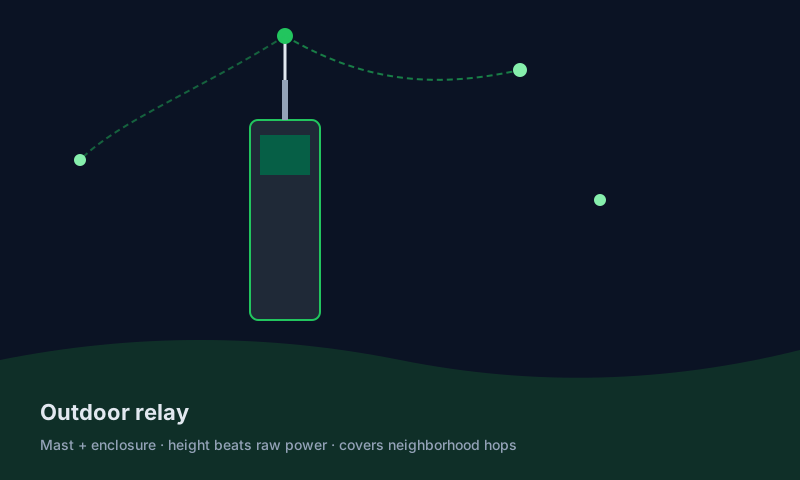
This build moves from “I have a node” to “I am actually improving local coverage.” The main gains come from getting the antenna outside, vertical, and above the indoor clutter that kills range.
Hardware Selector
Heltec WiFi LoRa 32 V3
Good if you want a lower-cost relay and local WiFi options later.
RAK WisBlock
Use this if low power and cleaner long-term infrastructure behavior matter more than a low initial cost.
8x6 enclosure
Worth it if you want strain relief, future battery support, or more generous service loops.
SMA extension and gland
Use a short extension to move the antenna outside the box without forcing the board into a bad position.
Bracket and screws
Use for a cleaner long-term mount on fence posts or wall surfaces.
Build Sequence
- Flash and configure the board indoors before it ever touches the enclosure.
- Mark cable gland positions with the board and cables physically laid out on the table.
- Drill slowly, deburr the openings, and dry-fit the glands before installing electronics.
- Mount the board so the USB port and antenna feed are not under stress.
- Route the antenna path first, then power, then secure the extra slack.
- Seal, mount, and do a final connectivity check from the actual install location.
What To Get Right
Height beats gadget upgrades
Even a basic board performs well when the antenna is higher and has cleaner sight lines.
Service loops matter
Do not pull cables drum-tight. Leave enough slack so vibration and weather do not work the connectors loose.
Keep the antenna vertical
Bad antenna orientation wastes the whole upgrade.
Commissioning Checklist
- Role set intentionally, usually
ROUTERorCLIENT_BASE - Long name clearly identifies the install location
- Antenna vertical and above nearby rail height if possible
- USB cable drip loop present before entering the box
- Enclosure seals checked after first rain or hose test
- Phone or laptop can still reach the node for management